For Complex & Reliable Interconnect
For Signal Integrity & Speed
For High Power & Harsh Environments
For Innovative Form Factors
PCB Assembly Technologies
PCBA Service Models
Value-Added Services
STENCIL
For Complex & Reliable Interconnect
For Signal Integrity & Speed
For High Power & Harsh Environments
For Innovative Form Factors
PCB Assembly Technologies
PCBA Service Models
Value-Added Services
STENCIL
We'd Love to Hear from You
Company News
Multilayer PCBs Manufacturing Process – A Quick Guide
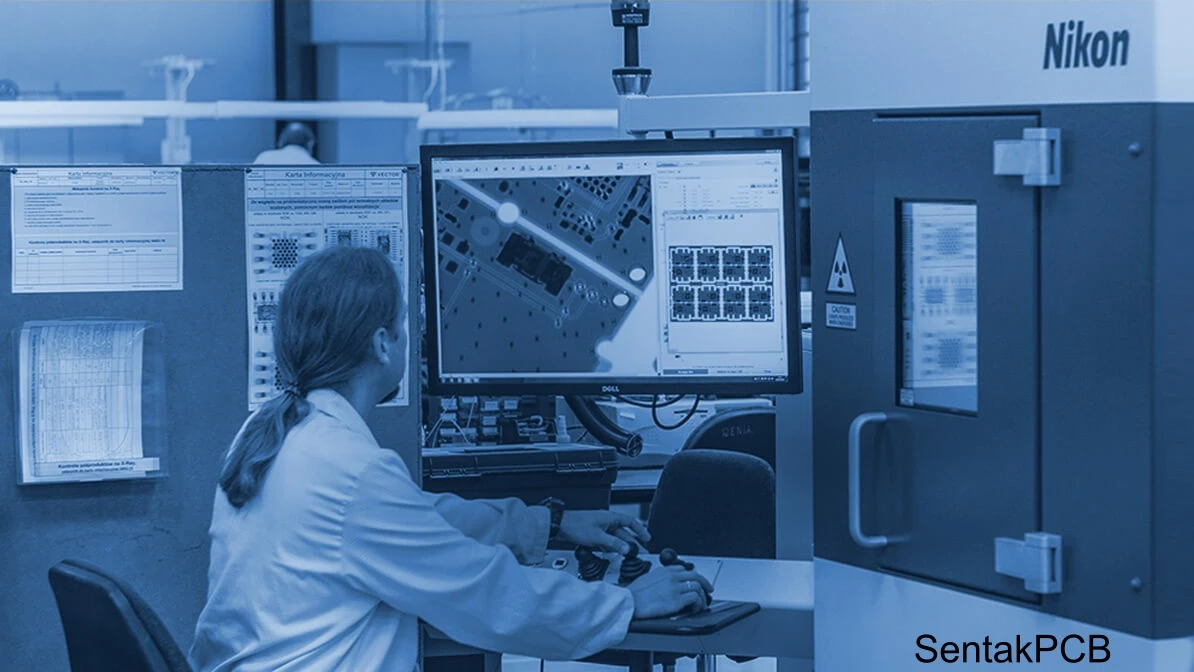
In the world of electronics manufacturing, the Printed Circuit Board Assembly (PCBA) process is the heartbeat of modern innovation. From smartphones to medical devices, the reliability of these intricate boards determines the success of the final product. As electronic devices continue to shrink in size while growing in complexity, ensuring the integrity of solder joints and hidden interconnections has become a monumental challenge. This is where X-ray inspection technology steps in — not just as a quality control tool, but as a necessity.
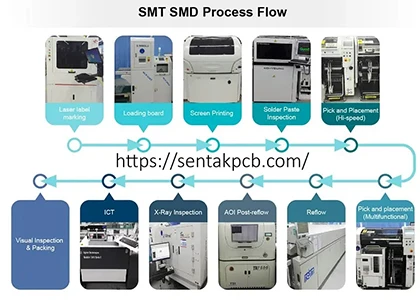
If you’ve ever marvelled at the sleek design of a modern smartphone or wondered how medical devices have become so compact and powerful, you’ve witnessed the triumph of Surface Mount Technology (SMT). As the backbone of modern electronics manufacturing, SMT assembly is the precise, automated process that places microscopic components onto printed circuit boards (PCBs), forming the brains and nervous system of virtually every electronic gadget today. Let’s pull back the curtain on this fascinating procedure and explore where this critical technology is evolving next.
In the heart of every modern electronic device — from smartphones to satellites — lies a printed circuit board (PCB) populated with components so small that their placement borders on the microscopic. This feat of modern manufacturing is largely accomplished through Surface Mount Technology (SMT). As a foundational pillar of electronics production, understanding the SMT assembly procedure and its trajectory is crucial for designers and engineers alike.
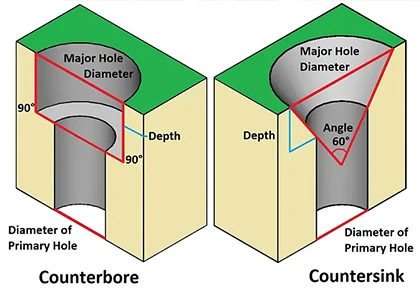
In mechanical design and PCB assembly, even the smallest details determine the success of a product. Among these critical details are the methods used to recess fastener heads — specifically, countersinking and counterboring. While they might seem like simple machined features, choosing the wrong one can lead to assembly issues, structural weakness, or a compromised final appearance. Let’s demystify these two essential techniques.
Your Design Deserves Our Discipline.
Partner with a manufacturer where quality is a measurable, managed outcome.