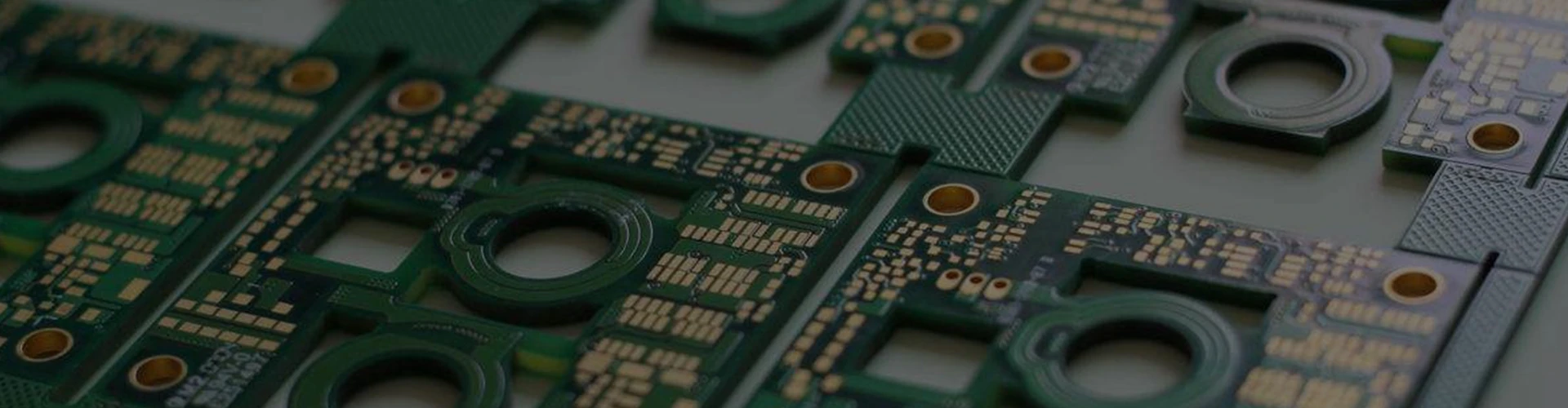
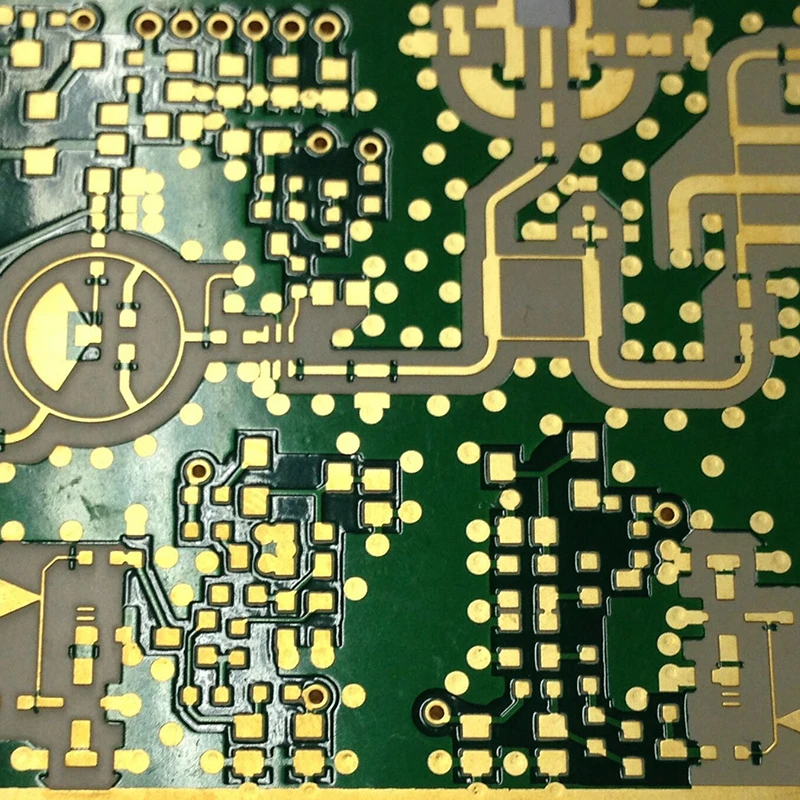
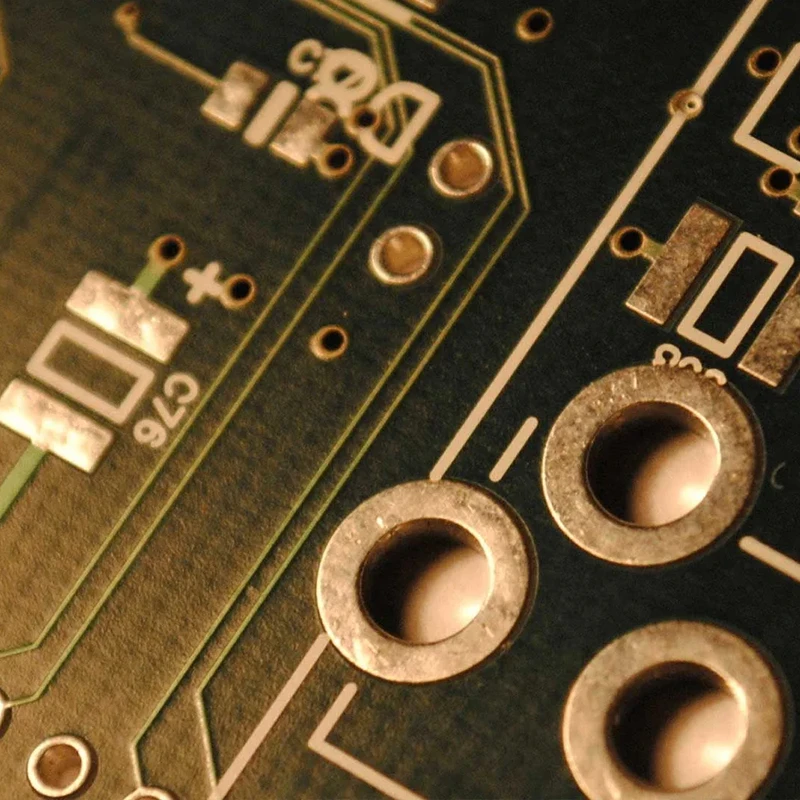
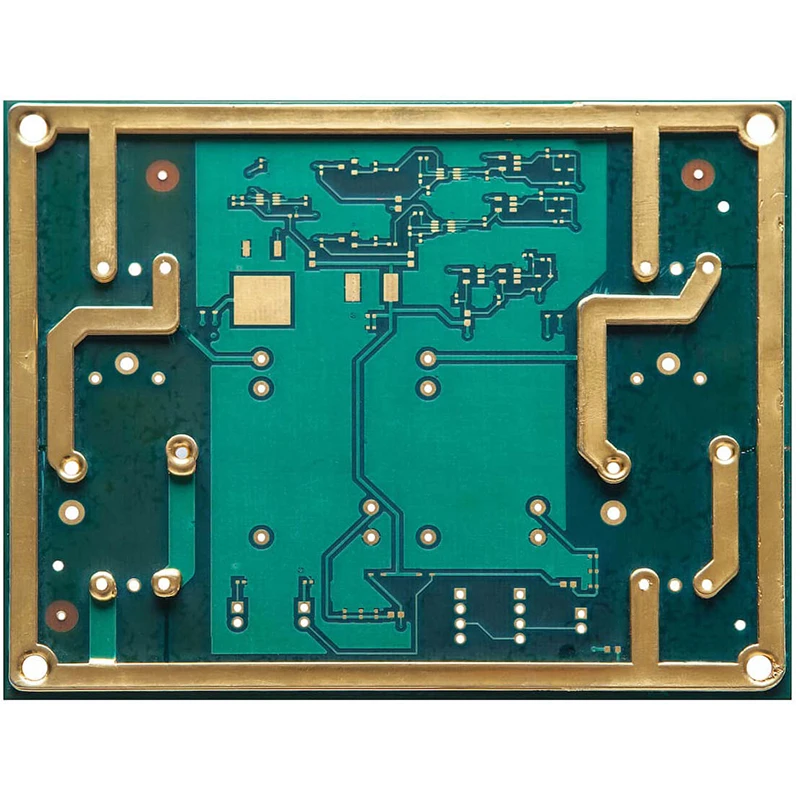
We are equipped with the advanced plating lines and lamination presses required for high-yield Heavy Copper production.
Technical Specifications:
Finished Copper Weight Range: 3 oz to 20 oz(105µm to 700µm).
Maximum Layer Count: 12 layers with heavy copper construction.
Minimum Trace/Space(for 3 oz Cu): 8/8 mil(0. 20mm/0. 20mm). Note: Increases with copper weight.
Aspect Ratio for PTH: Up to 12: 1 for high-thickness boards.
Mixed Copper Weights: Supported via step-plating technology.
Surface Finishes: ENIG,HASL,Immersion Tin,Selective Hard Gold.
Quality&Assurance:
Standards: Fabricated and inspected to IPC-6012 Class 2/3 with specific criteria for plated-hole integrity.
Testing: 100%Electrical Testing. Cross-sectioning to verify PTH copper thickness.
Current Testing: Custom current-load testing available upon request.
Heavy Copper PCB vs Standard PCB
Heavy Copper PCB and Standard PCB differ mainly in copper thickness, current carrying capability and application requirements. Heavy Copper PCBs are designed for high-power and high-current applications, while Standard PCBs are commonly used in general electronic products with normal power requirements.
| Feature |
Heavy Copper PCB |
Standard PCB |
| Copper Thickness |
Uses thicker copper layers, typically 2 oz or above |
Usually uses standard copper thickness such as 1 oz |
| Current Capacity |
Higher current carrying capability for power applications |
Suitable for low to medium current circuits |
| Heat Dissipation |
Better thermal management and heat transfer performance |
Standard heat dissipation capability |
| Reliability |
Designed for high-power, harsh and demanding environments |
Suitable for general electronic applications |
| Mechanical Strength |
Higher strength due to thicker copper structure |
Standard mechanical performance |
| Applications |
Power electronics, EV systems, battery management, industrial equipment, renewable energy systems |
Consumer electronics, control systems, communication devices |
Heavy Copper PCBs are the preferred solution when high current handling, improved thermal performance and long-term reliability are required, while Standard PCBs remain a cost-effective choice for conventional electronic applications.
Custom Heavy Copper PCB Solutions
Sentak provides customized Heavy Copper PCB solutions for high-current and high-power applications. We support flexible customization of copper thickness, layer count, board size and circuit design to meet different performance requirements.
Our capabilities include:
● Customized copper weight and thickness
● Multi-layer heavy copper PCB manufacturing
● High-current circuit design optimization
● Improved thermal management solutions
● Prototype and mass production support
Sentak delivers reliable Heavy Copper PCBs for power electronics, automotive, industrial equipment, renewable energy and other demanding applications.
Frequently Asked Questions-Heavy Copper PCB
What is considered a heavy copper PCB?
Heavy copper PCB usually refers to PCBs with significantly thicker copper layers designed for high-current applications.
What are the benefits of heavy copper PCB?
Heavy copper PCBs offer higher current capacity, improved heat dissipation and better reliability.
How thick can copper be on a PCB?
Copper thickness depends on PCB design requirements and can be customized for different applications.
What industries use heavy copper PCBs?
They are widely used in automotive, power electronics, industrial control, renewable energy and battery systems.
Can you manufacture custom heavy copper PCBs?
Yes, Sentak provides customized heavy copper PCB solutions based on customer specifications.
Get Custom Heavy Copper PCB Solutions
Need a reliable Heavy Copper PCB manufacturer for your high-current applications? Contact Sentak for customized PCB solutions, professional technical support and competitive manufacturing services.