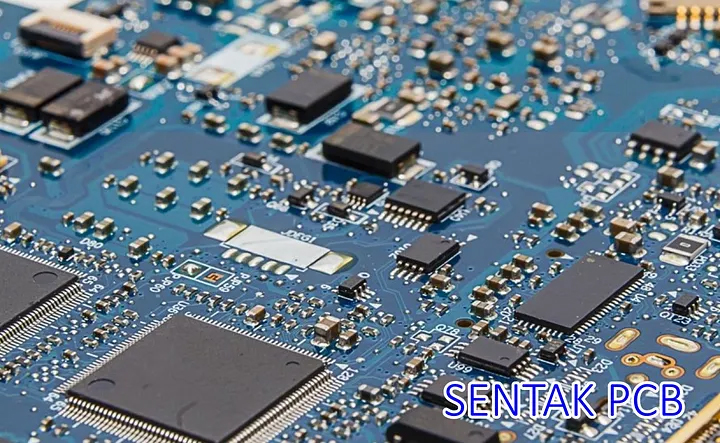
In the heart of every modern electronic device — from smartphones to satellites — lies a printed circuit board (PCB) populated with components so small that their placement borders on the microscopic. This feat of modern manufacturing is largely accomplished through Surface Mount Technology (SMT). As a foundational pillar of electronics production, understanding the SMT assembly procedure and its trajectory is crucial for designers and engineers alike.
The Core SMT Assembly Workflow: A Symphony of Precision
The SMT process is a highly automated and sequential operation where accuracy at each stage is paramount. A typical procedure flows through these critical steps:
Solder Paste Printing: The process begins with a stainless-steel stencil, laser-cut to match the PCB’s pad layout, being precisely aligned over the board. Solder paste — a mixture of tiny solder spheres and flux — is then applied using a squeegee, depositing the exact amount of paste onto each pad. This step is foundational; inconsistencies here can lead to defects like bridging or insufficient solder later on.
Component Placement: This is where speed and accuracy converge. Automated pick-and-place machines, guided by sophisticated vision systems, retrieve components from reels, trays, or sticks. They then position them at incredible speeds — often tens of thousands of components per hour — onto the solder paste deposits. The precision of these machines is vital for handling today’s miniaturized components like 0201 resistors or fine-pitch BGAs.
Reflow Soldering: The populated board travels through a reflow oven on a conveyor. It undergoes a carefully profiled temperature cycle — preheat, soak, reflow, and cooling. This profile melts the solder paste, creating permanent metallurgical bonds between component terminations and PCB pads without overheating sensitive parts. The creation and verification of this thermal profile is a critical science in itself.
Inspection & Quality Control: Post-reflow inspection is non-negotiable. Automated Optical Inspection (AOI) systems use cameras to check for placement accuracy, solder joint quality, and presence of defects. For components with hidden connections like Ball Grid Arrays (BGAs), Automated X-ray Inspection (AXI) is employed to peer beneath the package and analyze solder joint integrity.
The March of Progress: Key Development Trends in SMT
The SMT landscape is not static. It is continuously evolving to meet demands for miniaturization, higher performance, and smarter manufacturing:
The Rise of Miniaturization and High-Density Interconnect (HDI): Components keep shrinking (01005, 0.3mm pitch BGAs), and PCB designs incorporate finer traces and microvias. This demands advanced stencil technologies (nanocoatings, electroformed stencils), ultra-precision placement machines with enhanced vision, and specialized soldering pastes.
Embracing Advanced Packaging: Technologies like System-in-Package (SiP) and wafer-level packaging are blurring the lines between component and assembly. SMT lines are adapting to handle these heterogeneous, multi-die packages that require extreme placement accuracy and specialized thermal management during reflow.
The Smart Factory Revolution: Industry 4.0 is transforming the SMT floor. Machines are becoming interconnected nodes in a digital ecosystem. Real-time data collection from printers, placers, and ovens enables predictive maintenance, process optimization, and full traceability. Artificial Intelligence (AI) is beginning to power AOI systems, reducing false calls and improving defect detection rates.
Sustainability and New Materials: Driven by regulations and environmental responsibility, the shift towards lead-free soldering is now standard. Research continues into low-temperature solders (to reduce thermal stress), and halogen-free materials, pushing developments in solder paste chemistry and process parameters.
Precision Meets Partnership in Modern Manufacturing
Navigating this complex and evolving SMT landscape requires more than just advanced machinery; it demands deep process expertise and a commitment to continuous adaptation. At SENTAK PCB, our PCBA services are built around this precise synergy. From our controlled solder paste printing environment and high-speed precision placement lines to our meticulously profiled reflow ovens and comprehensive AOI/AXI inspection suites, each step is managed with data-driven rigor.
We view each project through the lens of Design for Manufacturability (DFM), providing early feedback to ensure your design is optimized for the realities of modern SMT assembly. As trends like miniaturization and smart manufacturing advance, we invest in both technology and training, ensuring we can reliably deliver not just assembled boards, but robust and reliable electronic foundations for your innovations.
Conclusion
The SMT assembly procedure is a remarkable dance of technology and precision, one that is constantly advancing. From its core, standardized steps to the cutting-edge trends of miniaturization, advanced packaging, and digital integration, SMT remains at the forefront of electronics manufacturing. Understanding this evolution empowers designers to create, and partners manufacturers to build, the next generation of electronic devices that will continue to reshape our world.