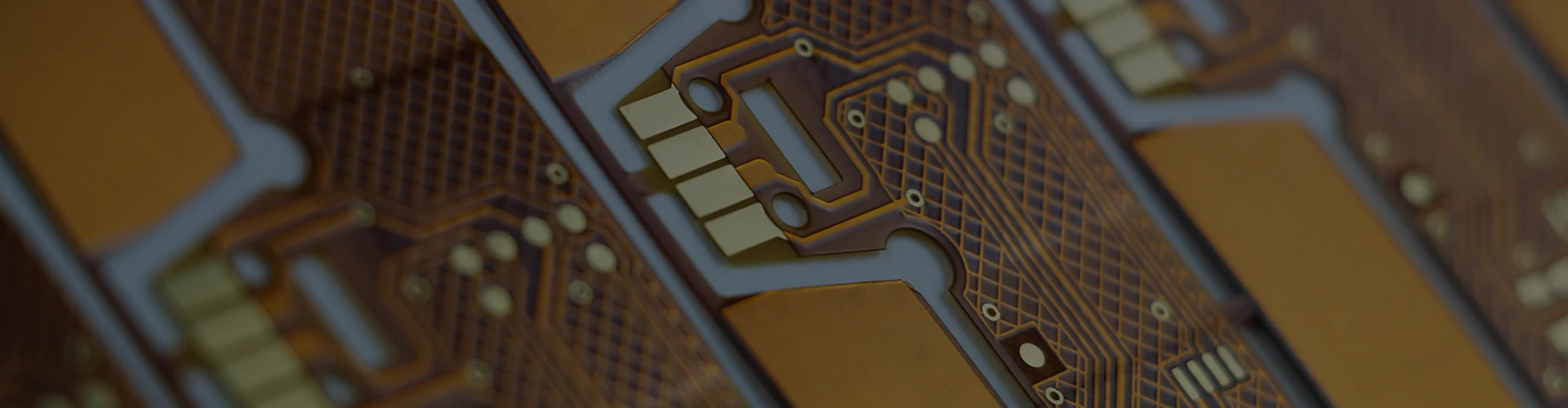
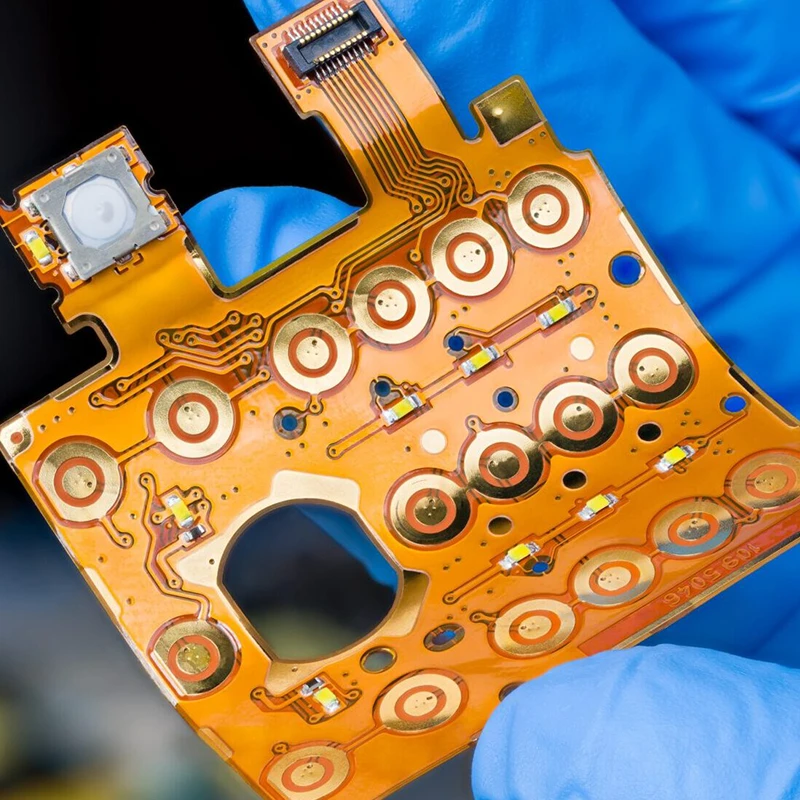
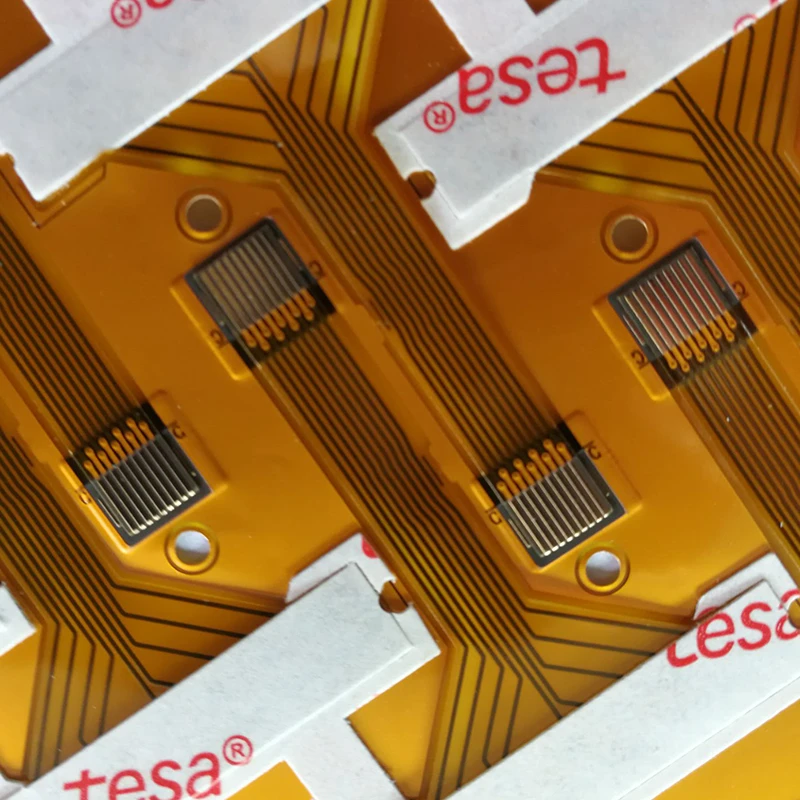
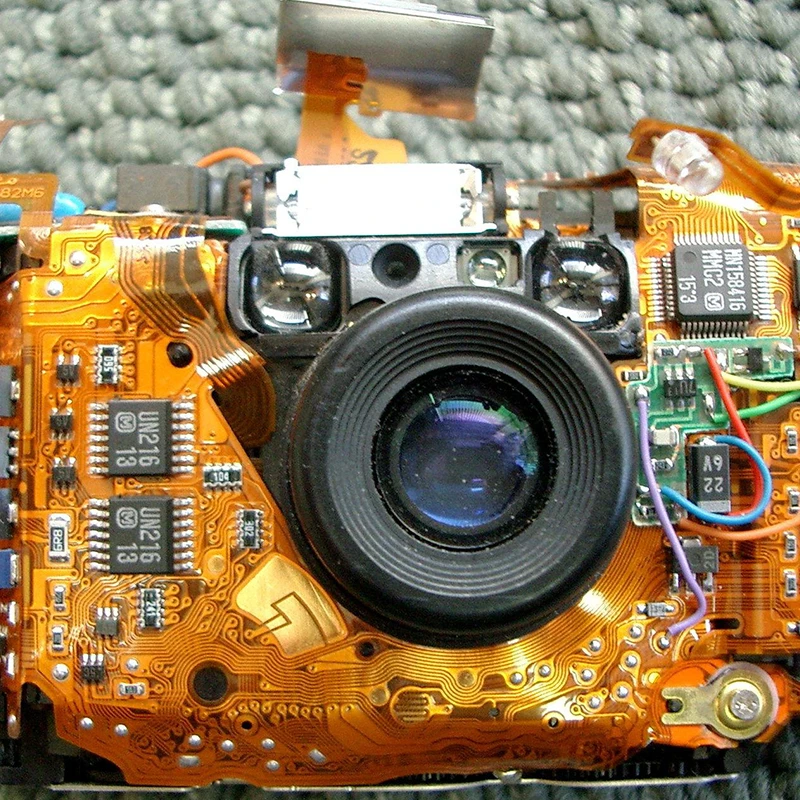
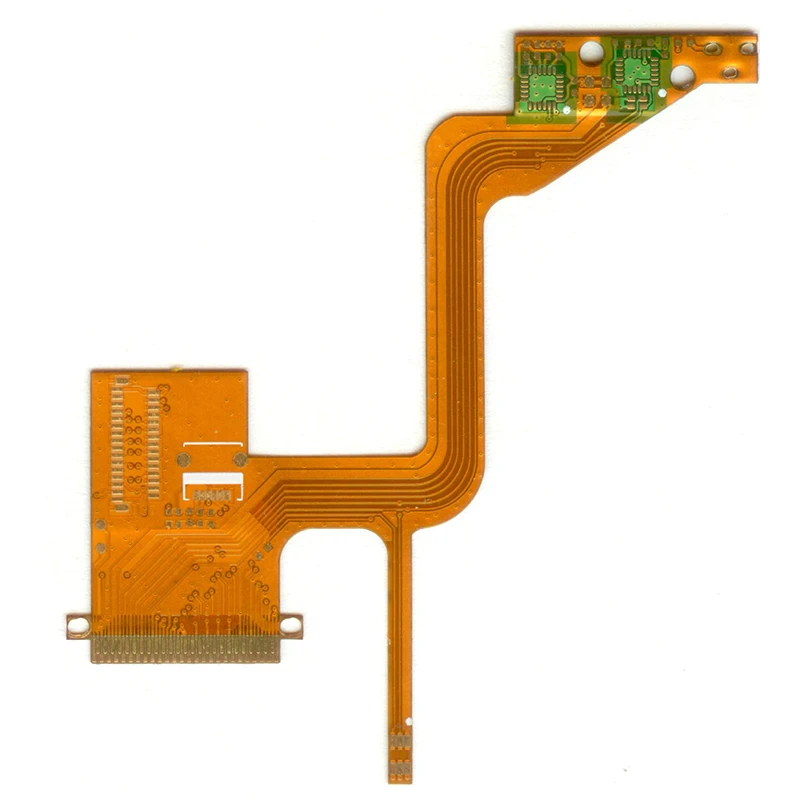
We specialize in the precise, controlled processes required for high-reliability flexible circuits.
Technical Specifications:
● Layer Count: 1 to 8+layers(flex-only constructions).
● Minimum Trace/Space: 2.5/2.5 mil(63µm)standard;2/2 mil(50µm)advanced.
● Material Thickness: Flex core from 0.5 mil polyimide+adhesives.
● Copper Types: Rolled Annealed(RA), Electrodeposited(ED).
● Surface Finishes: ENIG(most common), Immersion Tin/Silver, OSP, Electrolytic Hard Gold for contacts.
Specialized Processes:
● Precision Registration: Critical for multi-layer flex alignment.
● Controlled Etching: For fine features on thin copper.
● Coverlay Pre-lamination & Precision Opening: For accurate pad exposure.
● Skiving/Back-Baring: For sculptured flex and robust connector finger profiles.
Quality&Reliability Assurance:
● Automated Optical Inspection (AOI)for 100%trace coverage verification.
● Electrical Testing (Flying Probe or Fixture).
● Bend&Flexibility Testing per IPC-TM-650 methods available.
Why Choose SENTAK as Your Flex PCB Supplier?
Choosing the right Flex PCB Supplier is critical when your product requires compact installation, repeated bending, stable electrical performance or reliable operation in demanding environments. SENTAK combines flexible circuit manufacturing, engineering review, material selection and quality testing to support customers throughout the product development process.
Our engineering team evaluates the flex area, bend radius, copper type, coverlay opening, stiffener position and overall stack-up before production. This helps identify potential manufacturing and reliability risks before they affect prototype validation or volume production.
Customers can work with SENTAK for:
- Single-sided, double-sided and multilayer flex PCBs
- Static-flex and dynamic-flex applications
- Polyimide-based flexible circuits
- Rolled annealed and electrodeposited copper options
- FR-4, polyimide, aluminum and stainless steel stiffeners
- ENIG, immersion tin, immersion silver, OSP and hard gold finishes
- Controlled impedance flex PCB designs
- EMI shielding and selective reinforcement
- Flex PCB prototyping and production support
- Flex PCB assembly and complete PCBA services
As an experienced Flex PCB Supplier, SENTAK provides manufacturing recommendations based on the electrical, thermal and mechanical requirements of each application rather than using one standard construction for every project.
Frequently Asked Questions About Flex PCB Manufacturing
What is the difference between a flex PCB and a rigid-flex PCB?
A flex PCB consists primarily of flexible dielectric and copper layers. A rigid-flex PCB combines flexible circuit sections with rigid PCB sections in one integrated structure. Flex PCBs are suitable for flexible interconnections, while rigid-flex PCBs can provide both component support and flexible routing without separate connectors.
Can SENTAK manufacture flex PCB prototypes?
Yes. SENTAK provides flex PCB prototype and new product introduction support. Prototype production can be used to verify dimensions, bending performance, connector alignment, assembly compatibility and electrical functionality before production.
What materials are commonly used for flex PCBs?
Polyimide is the most common base dielectric because of its thermal stability and flexibility. Rolled annealed copper is commonly used for applications requiring repeated bending, while electrodeposited copper may be selected for certain static-flex or cost-sensitive designs.
Can components be assembled directly onto a flex PCB?
Yes. Components can be assembled onto reinforced areas of a flex PCB. FR-4 or polyimide stiffeners are often added beneath component, connector and soldering areas to improve mechanical support during assembly and use.
How is flex PCB quality tested?
Quality testing may include AOI, flying-probe or fixture-based electrical testing, microsection analysis, solderability testing, peel-strength testing, controlled impedance testing and dynamic bending validation. The required test plan depends on the application and customer specifications.
What affects the price of a custom flex PCB?
The main cost factors include layer count, material type, copper thickness, circuit dimensions, trace density, via structure, surface finish, stiffeners, shielding, testing requirements, order quantity and delivery schedule. Complete design files allow the Flex PCB Supplier to provide a more accurate cost evaluation.
Request a Custom Flex PCB Quote
Looking for a dependable Flex PCB Supplier for compact, lightweight or dynamically moving electronic products? Send SENTAK your Gerber files, drawings, quantities and application requirements. Our engineering team will review your design and recommend a suitable flex PCB construction, material system and manufacturing solution.
Get Flex PCB Pricing