$isLighthouse = (int) isLighthouse();
DOWNLOAD

We'd Love to Hear from You

CAPTCHA

Engineered for Strength,Reliability,and High-Power Integrity.

Mastering Legacy and Critical Component Assembly with Precision Wave, Selective, and Hand Soldering Expertise.

Home

-

PCBA

-

PCB Assembly Technologies

-

Through-Hole (THT) Assembly

Through-Hole (THT) Assembly

Advanced Wave&Selective Soldering Systems

Complex Mixed-Technology(SMT+THT)Integration

MIL-STD Hand Soldering&Rework to IPC-A-610 Class 3

Robust Connector&High-Power Component Assembly

Share

The Strategic Role of THT in Modern Electronics

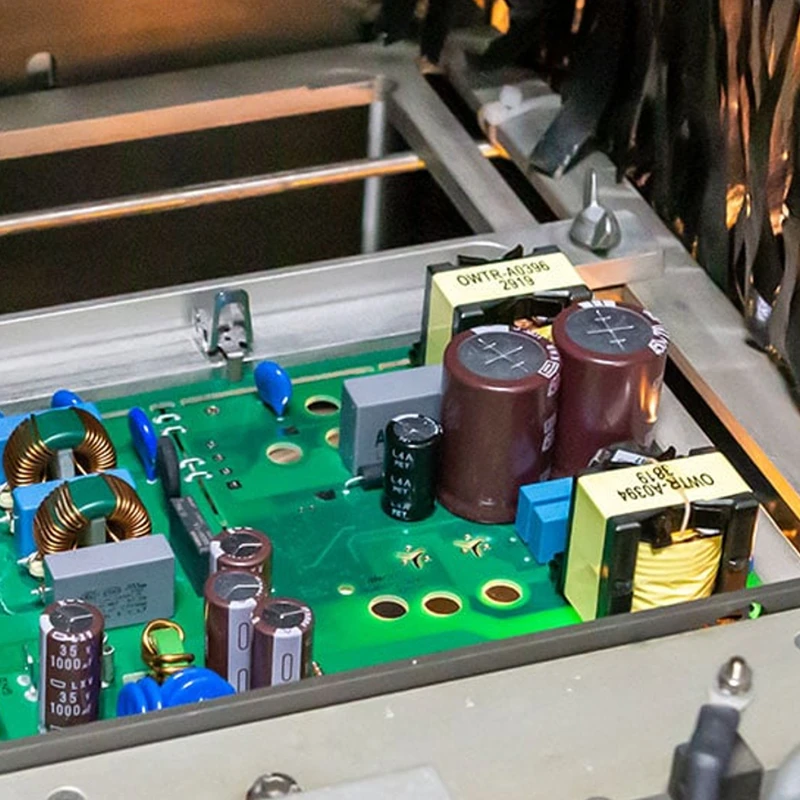
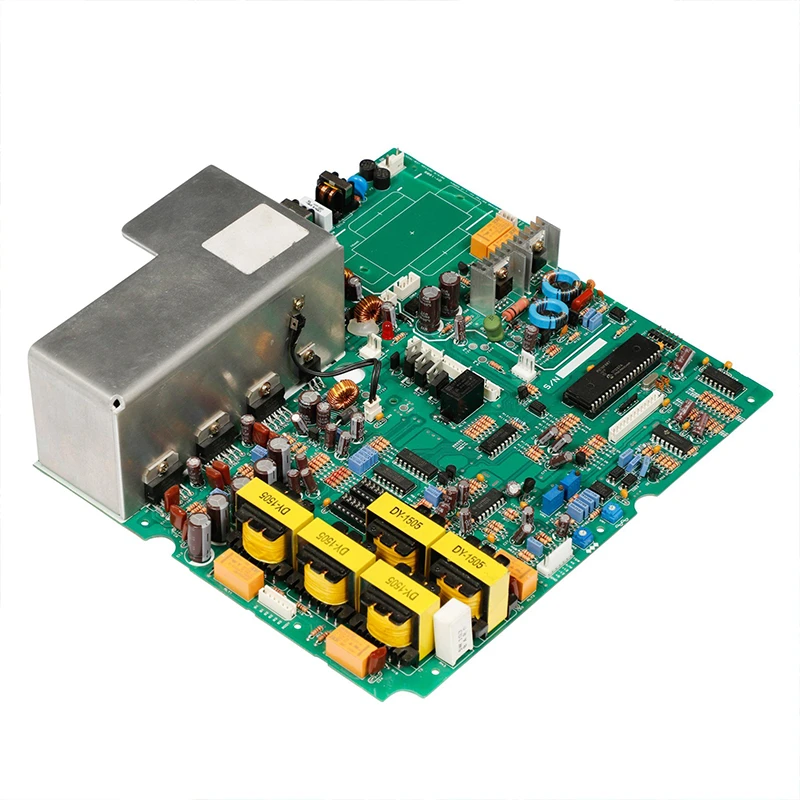
While Surface Mount Technology(SMT)dominates miniaturization, Through-Hole Technology(THT)remains indispensable for applications demanding mechanical strength, high power handling, and extreme environmental resilience. THT components, with leads inserted through plated holes and soldered, form robust physical and electrical bonds that withstand significant thermal stress, vibration, and mechanical strain. At SENTAK, we treat THT not as a legacy process, but as a critical specialty for building reliable, long-life products in aerospace, automotive, industrial, and energy sectors.

Our THT Assembly Process Expertise

We employ a suite of advanced processes, selecting the optimal method based on board complexity, component mix, and volume.


Wave Soldering for High-Volume Efficiency


Our controlled wave soldering lines are engineered for consistency, handling both pure THT and mixed-technology boards with protective pallets.


● Process: Boards pass over a turbulent, molten solder wave, forming reliable joints on all exposed leads in a single pass.


● Key Controls: Precise solder pot temperature(typically 250-260°C), conveyor speed, and wave height are meticulously monitored and logged.


● SENTAK Advantage: Use of nitrogen(N₂)inerting in the wave zone to minimize dross formation and improve joint quality, extending solder pot life.


Selective Soldering for Precision&Complexity


For boards where wave soldering is impractical due to sensitive components or dense layouts, our robotic selective soldering systems deliver pinpoint accuracy.


● Process: A programmable solder fountain or mini-wave targets individual through-hole components or connector rows.


● Applications: Ideal for post-SMT assembly, heavy boards, or assemblies with limited thermal clearance.


● SENTAK Advantage: Dynamic solder flow calibration and optimized dwell times for each joint, ensuring perfect filleting without thermal damage to adjacent SMT parts.


Manual Soldering&Rework for the Highest Standards


For prototypes, low-volume complex assemblies, or rework requiring surgical precision, our certified technicians excel.


● Certification: Technicians certified to IPC-7711/7721(Rework & Repair)and IPC-A-610(Acceptability)Class 3 standards.


● Capabilities: Expert hand soldering of through-hole components, connector replacement, and board-level repair under high-power microscopes.


Technical Capabilities&Specifications

Parameter/Process

Capability&Specification

Quality&Control Measure

Board Thickness Range

0.8mm-4.0mm

Verified pre-solder to ensure proper thermal profiling.

Lead/Hole Diameter Ratio

Recommended:0.7-0.9

Ensures optimal capillary action for solder wicking.

Wave Soldering

Dual Wave(Turbulent+Laminar),N₂Inerted

Continuous monitoring of temperature,speed,and wave stability.

Selective Soldering

Up to 8 independent nozzles,3D programming.

Joint-specific program validation and first-article inspection.

Solder Alloys

SAC305(Lead-Free),Sn63Pb37,and low-temperature alloys.

Alloy chemistry verified;dross removal and analysis routine.

Flux Types&Application

Rosin(RA),No-Clean(NC),Water-Soluble(WS).

Stored per J-STD-004;application rate precisely controlled.

Post-Solder Cleaning

Aqueous and semi-aqueous cleaning for WS fluxes.

Ionic contamination testing per IPC-TM-650 2.3.25.

Design for Successful THT Assembly(DFTHTA)

Collaborate with us early to implement design rules that prevent defects and ensure manufacturability.


1. Component Layout & Orientation for Wave Soldering


Shadowing Effect: Place smaller components upstream of larger ones in the conveyor direction to prevent solder shadowing.

Optimal Orientation: Orient component bodies so their long axis is perpendicular to the solder wave flow.This minimizes bridging and solder icicles.

Keep-Out Zones: Define clear areas on the bottom side where no SMT components can be placed(typically 5-10mm from THT leads).


2. Pad & Hole Design


Annular Ring: Maintain a minimum 0.25mm(10 mil)annular ring after drilling to ensure a reliable barrel connection.

Thermal Relief: Always use thermal relief connections(4 spokes, 0.2-0.3mm wide)for pads connected to large ground/power planes.This prevents poor solder joint formation due to heat sinking.


3. Panelization for THT


Breakaway Tabs: Ensure mouse bites or v-scoring do not interfere with through-hole areas or create weak points during depanelization.

Fiducials&Tooling Holes: Include them for precise alignment in both automated and selective soldering fixtures.


Pro Tip: Submit your design for our Free THT-DFM Review.Our engineers will analyze your layout for potential shadowing, thermal imbalance, and soldering access issues, providing a actionable report.

Ideal Applications & Industries

THT Assembly is critical for products where connections must endure:

Power Electronics: High-current bus bars, large capacitors, and transformer pins.

Electromechanical Interfaces: Connectors(D-Sub, Power, Terminal Blocks)subject to mating cycles and cable strain.

Harsh Environment Electronics: Automotive under-hood controls, aerospace avionics, down-hole drilling equipment.

High-Voltage/RF Modules: Where lead inductance and precise component placement are critical.

Partner with SENTAK for Uncompromising Reliability

Whether your project requires high-volume wave soldering, precision selective soldering, or meticulous hand assembly, SENTAK possesses the technology, expertise, and quality focus to execute it flawlessly.

Quality Assurance: Beyond the Solder Joint

Our inspection regime ensures every through-hole connection meets the highest reliability standards.

Pre-Solder Inspection

Pre-Solder Inspection

Verification of component presence, polarity, and insertion depth.

Post-Solder Visual Inspection(Manual/AVI)

Post-Solder Visual Inspection(Manual/AVI)

Checking for 100%hole fill, proper solder filleting(concave meniscus), and absence of bridges, voids, or blowholes.

X-Ray Inspection

X-Ray Inspection

For multi-pin connectors or hidden joints, X-ray verifies internal barrel fill and void percentage.

Pull/Shear Testing(Destructive Sample)

Pull/Shear Testing(Destructive Sample)

Periodic testing to validate solder joint strength against IPC standards.

Your Design Deserves Our Discipline.

Partner with a manufacturer where quality is a measurable, managed outcome.

Contact Us