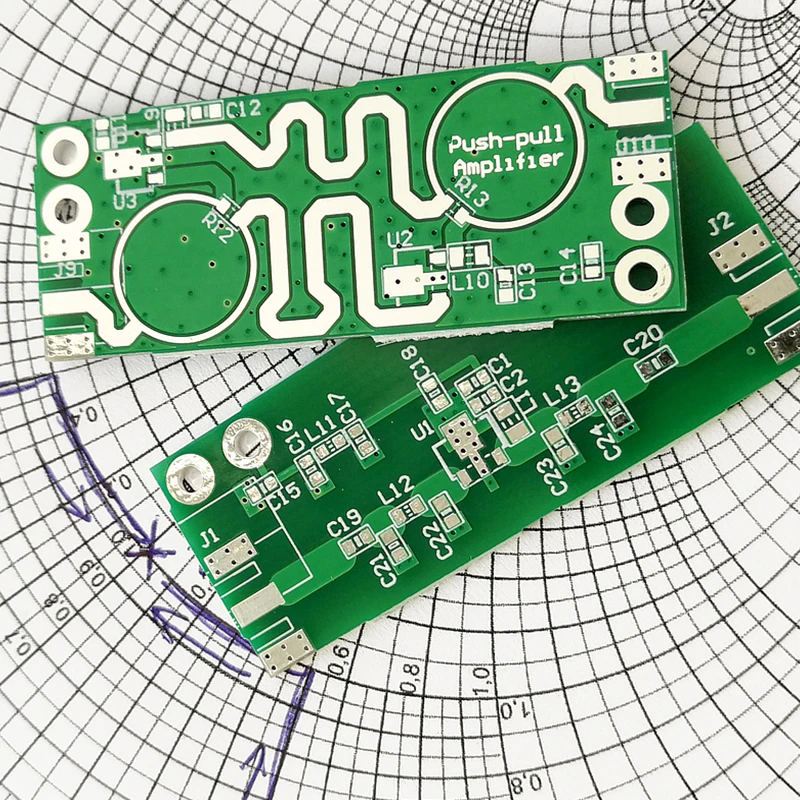
As the rollout of 5G technology expands rapidly, manufacturers face significant challenges, particularly related to high-frequency PCB (printed circuit board) design. With the increasing demand for faster speeds, improved data transmission, and reduced latency, engineers are under pressure to create solutions that can handle these rigorous requirements. To meet these challenges, integrating high-frequency pcbs has become essential for ensuring stability and reliability in 5G applications. For instance, consider a scenario where a telecommunications provider struggles with network dropouts; high-frequency PCBs can solve these issues effectively by enabling more robust connections.
Understanding the Benefits of High-Frequency PCBs in 5G
High-frequency PCBs stand out in the 5G landscape owing to their ability to support higher data speeds. For example, devices using high-frequency PCBs can transmit data up to 10 Gbps compared to the 1 Gbps provided by traditional PCBs. This significant difference highlights the enhanced performance potential offered by adopting high-frequency PCB technology. The benefits extend beyond speed; high-frequency circuit boards also enhance signal integrity and reduce electromagnetic interference (EMI), which is critical for wireless communication systems. In real-world applications, manufacturers like SENTAK have utilized high-frequency PCBs in their 5G equipment to improve reliability by 30% compared to previous models, making them an essential component in the modern telecommunications industry.
Comparative Advantages: High-Frequency PCBs vs. Traditional PCBs
To better understand the necessity of high-frequency PCBs, it’s insightful to compare their performance directly against traditional PCBs. In a typical scenario, devices operating on traditional PCBs suffer from data loss during peak times; this can result in frustrating user experiences. In contrast, high-frequency PCBs enable seamless connectivity, particularly in dense urban environments where signals can easily become obstructed. For instance, in controlled laboratory tests, devices utilizing high-frequency PCBs maintained over 95% efficiency during high-demand periods, whereas traditional models dropped to 75% efficiency.
Case Studies Highlighting the Necessity of High-Frequency PCBs
Numerous case studies validate the pivotal role that high-frequency PCBs play in 5G applications. Consider a case involving a major telecommunications company that switched to using high-frequency PCBs in their base stations. Within six months, the company reported a 40% reduction in network disruptions while experiencing a 20% increase in overall user satisfaction. Additionally, according to a recent report by Industry Research, companies adopting high-frequency PCB technology saw a return on investment (ROI) of approximately 150% within the first year of implementation, underscoring the dramatic rewards of this technology.
How High-Frequency PCBs Solve Real-World Problems
High-frequency PCBs are more than just a fleeting trend; they are fundamental to addressing critical pain points in 5G deployment. For example, issues related to signal degradation in environments with multiple interference sources can significantly hinder communication quality. However, high-frequency PCBs maintain higher signal fidelity, leading to consistent service even under challenging conditions. By ensuring cleaner signal paths and high-speed data transmission, these boards are essential for continuous connectivity, enhancing the overall user experience.
Conclusion: Embracing the Future with High-Frequency PCBs
The shift to 5G technology necessitates a reevaluation of existing PCB designs to accommodate higher frequencies and faster data rates. High-frequency PCBs offer unparalleled advantages in speed, signal integrity, and reduced EMI, making them the cornerstone of any successful 5G deployment strategy. As telecommunication companies continue to analyze the effectiveness of their networks, integrating high-frequency PCBs such as those offered by SENTAK could lead to significant operational improvements. It is clear that the future of telecommunications lies in embracing high-frequency PCB technology for optimal performance and reliability.
Call to Action: Explore SENTAK’s High-Frequency PCB Solutions
To ensure your 5G applications are equipped with the latest technology, enhance your performance with SENTAK’s high-frequency PCB solutions. Visit this link to learn more and trial our products.
Frequently Asked Questions
- What are high-frequency PCBs?
High-frequency PCBs are designed to transmit electrical signals at high frequencies, crucial for applications like 5G, minimizing EMI and improving signal integrity.
- Why are high-frequency PCBs essential for 5G technology?
They support the demanding specifications of 5G networks, providing enhanced speed, reduced latency, and better performance under challenging conditions.
- Can high-frequency PCBs improve device reliability?
Yes, the use of high-frequency PCBs has been shown to increase the reliability of communication devices significantly, preventing data loss and minimizing disruptions.