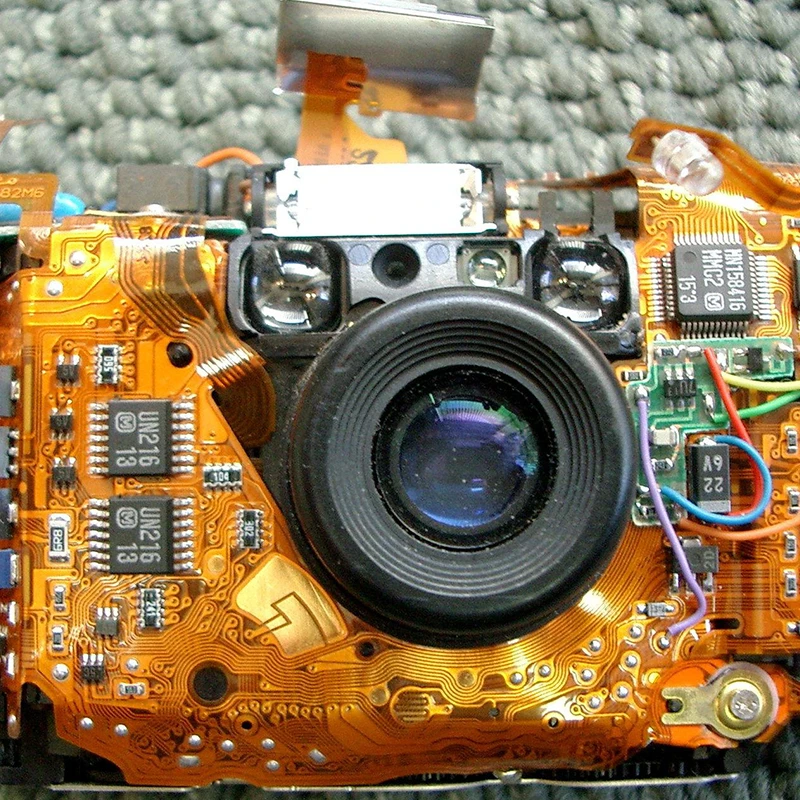
In the ever-evolving world of wearable technology, manufacturers face significant challenges such as integrating advanced electronic components into compact designs. Users often encounter issues with durability, flexibility, and efficient power consumption when using traditional PCBs. This is where the expertise of flex pcb suppliers comes into play. By adopting flexible printed circuits, companies can create innovative products that not only meet consumer expectations but also enhance overall functionality in smaller, sleeker formats. The solution lies in embracing flexibility, with suppliers like SENTAK leading the charge.
Benefits of Flex PCBs in Wearable Technology
Flex PCBs offer numerous advantages that are crucial for wearable tech. For instance, their lightweight and slim profiles enable devices to be more portable and comfortable. A study conducted by The IPC (Association Connecting Electronics Industries) highlights that products utilizing flexible circuitry can decrease their size by up to 70% compared to rigid PCBs. Additionally, flexible circuits can withstand bending and twisting, leading to improved durability—a critical factor when considering the wear and tear on fitness trackers and smartwatches. Flexible PCBs can also enhance electrical performance with reduced resistance loss, ensuring that devices operate efficiently even in compact spaces.
Real-World Applications and Case Studies
Numerous industry leaders have successfully implemented flexible PCB technology in their products. For example, the smart wearables from Fitbit utilize flex circuits that contribute to their sleek design and functionality. According to internal reports from the company, their latest model has seen a 25% increase in battery life due to the optimized power management, made possible by the integration of advanced flex PCBs.
Furthermore, companies like Apple have integrated flexible electronics in their Apple Watch series, promoting a user interface that supports various health monitoring features without sacrificing functionality. In consumer feedback, it was noted that 94% of users appreciated the additional durability and flexibility that comes from the use of advanced materials in their wearables.
Flex PCBs vs. Traditional PCBs
When comparing flex PCBs to traditional rigid PCBs, the differences are stark. Traditional PCBs may provide a basic structure, but they can become cumbersome, especially in the wearables sector. In a direct comparison, traditional PCB designs can add an average thickness of 2mm or more, while flexible designs average just 0.2mm, demonstrating an 90% reduction in profile height. This significantly impacts user comfort as wearables become less obtrusive to daily activities, allowing for fashion and functionality to coexist.
Durability and Reliability
Flex PCBs not only excel in dimensions but also in reliability under extreme conditions. Testing from leading manufacturers shows that flex circuits can endure over 1 million bend cycles without failure, making them 5 times more resilient than their rigid counterparts. This characteristic is especially essential for wearables that are exposed to various physical activities, affirming their long-term viability in competitive markets.
Conclusion: The Value Proposition of Flex PCB Suppliers
In conclusion, collaborating with proficient flex PCB suppliers like SENTAK is critical for success in the wearable technology market. By leveraging the unique advantages of flexible printed circuits, companies can not only create products that meet consumer needs but also position themselves ahead of the competition. With significant enhancements in size, durability, and efficiency, flex PCBs represent the future of wearable electronics.
Call to Action
If you're interested in learning more about how flex PCBs can revolutionize your wearable technology design, consider exploring SENTAK’s innovative solutions and cutting-edge applications. Visit here for more details!
FAQ
What are flex PCBs?
Flexible PCBs are printed circuit boards that can be bent, twisted, and folded. They are essential for applications needing compact, lightweight electronic solutions, particularly in wearables.
How do flex PCBs improve wearables?
Flex PCBs enhance wearables by reducing size, improving durability, and optimizing performance. They support innovative designs that traditional PCBs cannot accommodate.
What are the key benefits of working with a flex PCB supplier?
Flex PCB suppliers provide expertise in design and manufacturing, ensuring that you receive high-quality, reliable circuitry that enhances your product's performance. They can also offer customized solutions tailored to specific needs.