$isLighthouse = (int) isLighthouse();
DOWNLOAD

We'd Love to Hear from You

CAPTCHA

Company News

Home

-

NEWS

-

Rigid-Flex PCB Design vs Standard PCB Design: Which is Better?

Rigid-Flex PCB Design vs Standard PCB Design: Which is Better?

Jan. 01, 1970
Share

1. Understanding Rigid-Flex PCB Design

What is Rigid-Flex PCB?

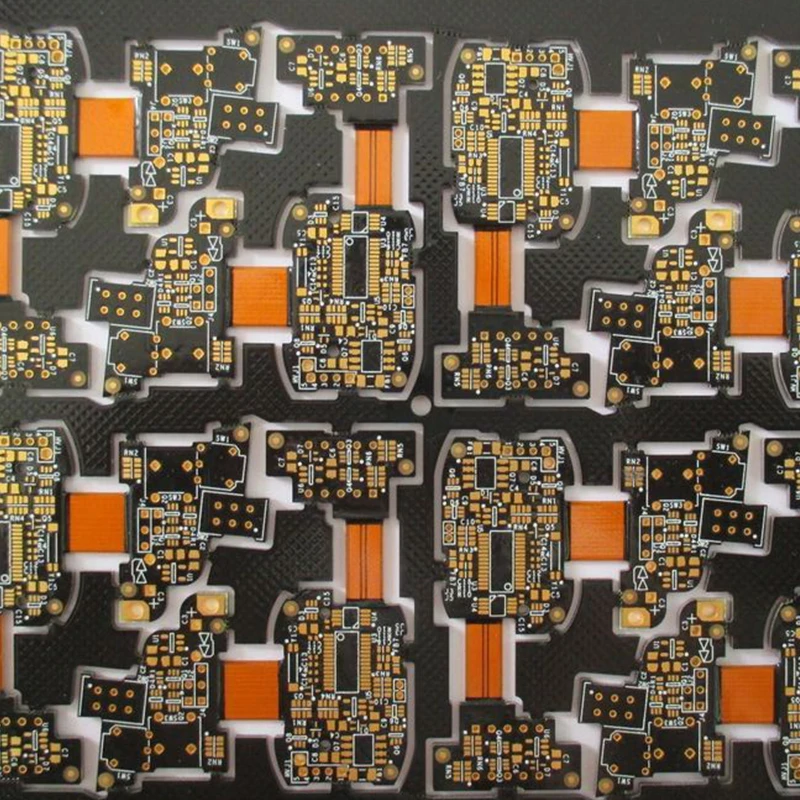
Rigid-flex PCBs combine the properties of rigid PCBs and flexible PCBs, allowing for more compact designs suitable for various applications where space is limited.

2. Key Differences Between Rigid-Flex and Standard PCB Design

Core Parameters Comparison

When evaluating Rigid-Flex PCBs versus Standard PCBs, key parameters include:

  • Material composition
  • Thickness and flexibility
  • Weight considerations
  • Manufacturing complexity
  • Cost implications

3. Actual Use Experience: Battery Life and Stability

Performance Analysis in Practical Applications

Real-world testing shows that Rigid-Flex PCBs often maintain higher stability and reliability under varying conditions, positively impacting battery life in portable devices.

4. Advantages of Rigid-Flex PCB Designs

Why Choose Rigid-Flex PCBs?

The advantages of Rigid-Flex PCBs include:

  • Compact design leading to space savings
  • Enhanced durability and reduced risk of damage
  • Improved electrical performance due to reduced interconnections

5. Disadvantages of Rigid-Flex PCB Designs

What to Consider Before Choosing Rigid-Flex

Despite their benefits, Rigid-Flex PCBs have some drawbacks, such as:

  • Higher manufacturing costs
  • Complex design requirements
  • Longer lead times for production

6. Summary of Advantages and Disadvantages

Weighing the Options

A comprehensive summary would highlight:

  • Rigid-Flex Advantages: Space-saving, durability, performance
  • Rigid-Flex Disadvantages: Cost, complexity, lead times

7. Suggestions for Applicable Groups

Who Should Opt for Rigid-Flex PCBs?

Rigid-Flex PCBs are ideal for:

  • Medical devices where space and reliability are critical
  • Consumer electronics that require compact designs
  • Aerospace and military applications needing robust solutions

8. Conclusion: Making the Choice with SENTAK

Final Thoughts on Rigid-Flex PCB vs Standard PCB

In conclusion, the choice between Rigid-Flex and Standard PCB designs ultimately depends on application needs. At SENTAK, we provide high-quality PCB solutions to fit diverse requirements. Visit us at SENTAK PCB for more details.

Your Design Deserves Our Discipline.

Partner with a manufacturer where quality is a measurable, managed outcome.

Contact Us