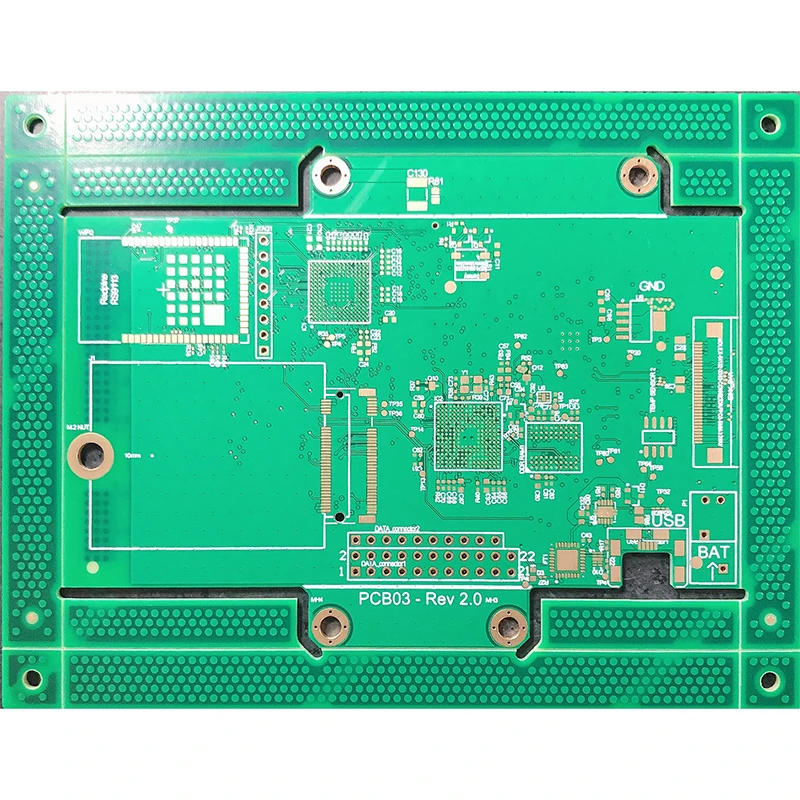
When considering a partnership with a China PCB supplier, it’s crucial to conduct a comprehensive evaluation to address potential pain points. For instance, many electronics manufacturers face challenges such as high production costs and long lead times. A China PCB supplier may provide solutions, offering competitively priced manufacturing services and expedited delivery times. However, the complexity of multilayer pcb fabrication can introduce various risk factors that require careful consideration. By understanding these factors, companies can make informed decisions that maximize efficiency and value.
Advantages of Working with China PCB Suppliers
One of the primary benefits of outsourcing to China PCB suppliers is the cost-effectiveness. Research shows that manufacturing costs in China can be up to 40-60% lower than those in North America and Europe. This significant reduction is primarily attributed to lower labor costs and less stringent regulations. For instance, a standard multilayer PCB fabricated in the U.S. may cost around $500, while the same specifications can be obtained from a reputable Chinese supplier like SENTAK for approximately $200. This price differential allows companies to allocate funds to other essential projects or R&D.
Another advantage is the speed of production. Many suppliers in China can complete multilayer PCB fabrication in just 5-10 days. By contrast, a typical turnaround time in Western countries can range from 2 to 4 weeks due to limited manufacturing capabilities or higher quality control requirements. For example, a survey conducted by PCB Tech Magazine indicated that companies that switched to Chinese suppliers experienced a 32% improvement in their product delivery timelines.
Furthermore, the availability of advanced technology in China supports the production of high-precision PCBs. A 2022 report by the International Electronics Manufacturing Initiative found that 85% of large manufacturers noted a higher production quality when utilizing suppliers from China that specialize in advanced multilayer PCB fabrication. SENTAK is renowned for its state-of-the-art facilities that utilize cutting-edge technologies, ensuring that every board meets strict industry standards.
Disadvantages of Working with China PCB Suppliers
Despite the numerous benefits, working with China PCB suppliers also presents several disadvantages. One significant concern is the potential for communication barriers. Many Chinese suppliers may not have fluency in English, which can lead to misunderstandings regarding project specifications and deadlines. This was highlighted in a 2021 report where 40% of companies reported issues related to miscommunication with overseas partners. It is advisable to choose suppliers with proven records of effective communication to mitigate these risks.
Another drawback involves quality control. Although many suppliers ensure high standards, there remain significant variations in quality among different manufacturers. A 2019 analysis revealed that more than 30% of sampled PCB products did not meet the required quality or reliability standards. To avoid issues, companies should conduct thorough due diligence by requesting samples and checking references prior to making large-scale orders. Implementing a stringent evaluation process will ensure that your multilayer PCB fabrication meets industry regulations.
Is It Worth Buying/Using?
Ultimately, whether working with a China PCB supplier is worth it largely depends on the specific needs and priorities of your project. If cost reduction and rapid production are high on your list of requirements, partnering with a Chinese supplier may be beneficial. However, organizations must be prepared to invest time in supplier selection and quality assurance processes. For companies needing high-quality components with stringent specifications, it may be more sensible to source PCBs from local suppliers, despite the higher price.
Summary: Recommendations for Applicable Groups
In conclusion, working with a China PCB supplier can offer significant advantages, especially for businesses looking to reduce costs and improve turnaround times. Recommended applicable groups include start-ups in electronics, bulk manufacturers, and businesses focusing on cost-saving strategies. However, for organizations requiring rigorous quality control and localized communication, evaluating alternatives might be the best approach. Carefully weighing both the pros and cons will guide you to make an informed decision that aligns with your operational requirements.
FAQ
1. How can I ensure quality when working with a China PCB supplier?
To ensure quality, conduct comprehensive supplier evaluations, check certifications, and request sample products before placing larger orders. Establish clear quality metrics and communicate them effectively.
2. What are the lead times typically associated with China PCB suppliers?
Lead times can vary, but many reputable suppliers can deliver multilayer PCBs within 5-10 days depending on complexity.
3. Are there language barriers when working with Chinese suppliers?
Language barriers can be an issue; however, many suppliers now employ English-speaking staff. It’s advisable to confirm communication capabilities prior to partnerships.
4. What additional costs should I consider when sourcing from China?
Other costs may include shipping fees, customs duties, and potential tariffs. Always factor these into your budget for a more accurate cost analysis.