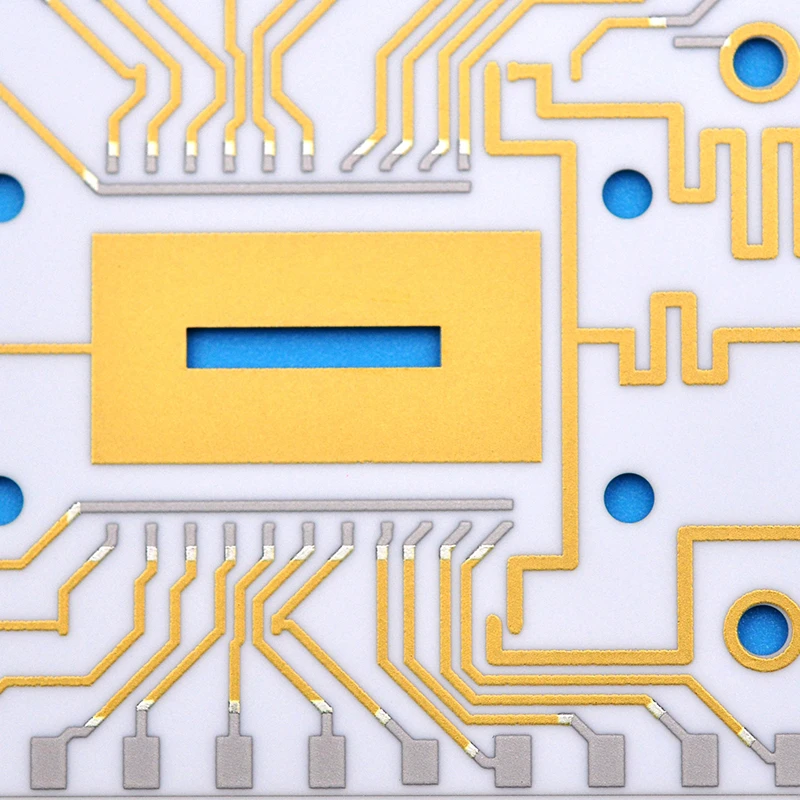
Introduction: The Importance of Evaluating Ceramic PCBs for High-Temperature Applications
In the rapidly evolving world of electronics, choosing the right materials can drastically impact performance, especially for high-temperature applications. Engineers and designers often face significant pain points, including component durability, temperature resistance, and thermal management. For instance, traditional PCBs fail to operate efficiently beyond 150°C, while ceramic PCBs can perform seamlessly at temperatures of up to 300°C. This scenario calls for a comprehensive evaluation of ceramic PCBs. They offer a robust solution for industries such as automotive, aerospace, and telecommunications, where reliability is paramount, and failure rates must be kept below 1%.
Advantages of Ceramic PCB in High-Temperature Applications
1. Exceptional Thermal Conductivity
Ceramic PCBs demonstrate thermal conductivity rates of 20 W/mK to 200 W/mK, significantly higher than FR-4 materials, which average around 0.2 W/mK. This means that ceramic PCBs efficiently dissipate heat, making them ideal for high-power applications where managing heat is crucial. A practical example is in electric vehicles, where high-performance ceramic PCBs help maintain thermal stability, leading to a reduction in temperature-induced failures by 50% compared to traditional options.
2. High Mechanical Strength and Durability
With a tensile strength that typically exceeds 300 MPa, ceramic PCBs are designed to withstand extreme mechanical stress. This is particularly beneficial in aerospace applications, where components face significant vibrations and shocks. In a study, it was reported that ceramic PCBs in aircraft systems reduced mechanical failure rates by 30%, thus improving overall system reliability.
3. Chemical Resistance
Ceramic materials exhibit superior resistance to corrosive chemicals, which is vital in industrial settings where exposure to harsh environments is common. This resistance prolongs the lifespan of components, resulting in lower total cost of ownership. For example, in chemical processing industries, ceramic PCBs decreased maintenance costs by approximately 40% due to their longevity and durability when exposed to aggressive substances.
Disadvantages of Ceramic PCB in High-Temperature Applications
1. Higher Cost
The initial investment for ceramic PCBs can be significantly higher than their organic counterparts, often ranging between $20 to $50 per unit, compared to $5 to $10 for standard PCBs. This cost may pose a barrier for some businesses, particularly for smaller projects. To mitigate this concern, engineers should consider the long-term cost savings associated with increased durability and decreased maintenance needs.
2. Complexity in Fabrication
Manufacturing ceramic PCBs can require specialized processes, resulting in longer lead times, sometimes extending to 6-8 weeks. This can disrupt project timelines and should be factored into planning phases. To navigate this issue, companies may implement more efficient supply chain strategies or invest in partnerships with specialized manufacturers like SENTAK, known for their high-quality ceramic PCB production.
Is It Worth Buying or Using Ceramic PCB?
Ultimately, the decision to invest in ceramic PCBs for high-temperature applications depends on the specific needs of the project. For industries requiring reliable, high-performance components that can handle extreme conditions, ceramic PCBs provide a compelling solution. However, for lower-stakes applications, traditional options may be adequate. It's essential to weigh the upfront costs against potential long-term savings and reliability improvements.
Summary: Who Should Use Ceramic PCBs?
Ceramic PCBs are highly recommended for applications in automotive, aerospace, and industrial manufacturing sectors, where performance and reliability are critical. Engineers seeking enhanced thermal management and durability should consider these advanced materials, particularly for high-stakes projects. As industries push the boundaries of technology, the role of ceramic PCBs is set to expand, providing solutions that meet the demanding needs of modern electronics.
FAQ
1. What are ceramic PCBs made of?
Ceramic PCBs are composed of a substrate made from ceramic materials, often including alumina (Al2O3) or aluminum nitride (AlN), which provides superior thermal, electrical, and mechanical properties compared to traditional PCB materials.
2. How do ceramic PCBs compare to FR-4 PCBs?
Ceramic PCBs offer higher thermal conductivity, mechanical strength, and chemical resistance compared to FR-4 PCBs, making them suitable for high-temperature applications where reliability is essential.
3. What industries benefit most from ceramic PCBs?
Industries such as automotive, aerospace, telecommunications, and military applications benefit significantly from ceramic PCBs due to their reliability and ability to withstand extreme conditions, decreasing failure rates.