$isLighthouse = (int) isLighthouse();
DOWNLOAD

We'd Love to Hear from You

CAPTCHA

Company News

Home

-

NEWS

-

HDI PCB Manufacturer Vs Standard PCB Manufacturer: Key Differences

HDI PCB Manufacturer Vs Standard PCB Manufacturer: Key Differences

Nov. 16, 2026
Share

Understanding HDI PCB Manufacturing

What Is HDI PCB?

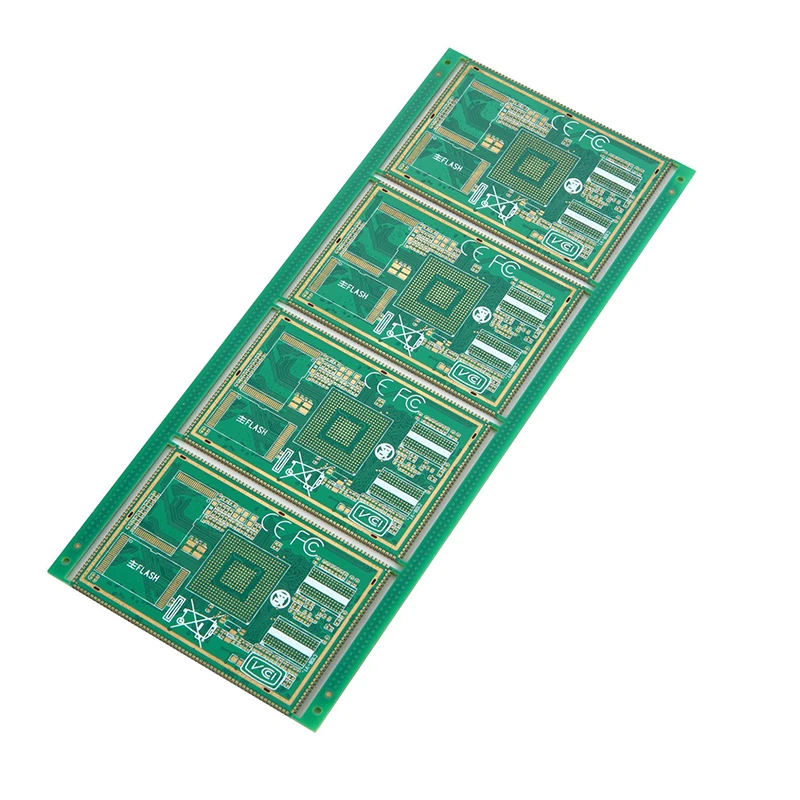
HDI stands for High-Density Interconnect, a type of printed circuit board that uses a higher wiring density per unit area compared to standard PCBs. HDI PCBs are ideal for compact and high-performance devices due to their ability to incorporate more components in a smaller footprint.

Key Differences Between HDI and Standard PCBs

Comparative Analysis of HDI and Standard PCBs

When comparing HDI PCBs to standard PCBs, several core parameters differentiate them:

  • Density: HDI boards allow for more connections and components in a smaller space.
  • Layer Count: HDI PCB designs often include more layers than standard boards.
  • Manufacturing Process: Different techniques are used in the fabrication of HDI, including microvias and sequential lamination.

Core Parameter Comparison Table

Parameter HDI PCB Standard PCB
Layer Count 4-20+ 2-12
Via Types Microvias Traditional Vias
Size Compact Larger
Performance High Moderate

Practical Usage Experience of HDI vs. Standard PCBs

Performance Metrics

Users often focus on specific metrics to assess the performance of HDI versus standard PCBs. Here are some key experiences:

  • Battery Life: HDI PCBs typically enhance battery longevity in compact devices due to efficient power distribution.
  • Stability: Higher densities in HDI boards can lead to increased thermal management, improving overall device stability.
  • Signal Integrity: The reduced distances for signal transmission in HDI can enhance data transfer rates and reduce latency.

Real-World Applications and Environments

HDI PCBs are commonly found in:

  • Smartphones
  • Tablets
  • Wearable devices

Standard PCBs are often utilized in:

  • Consumer electronics
  • Larger devices where space is not as constrained
  • Automotive applications

Advantages and Disadvantages of Each Type

Pros and Cons of HDI PCBs

  • Advantages:
    • Compact design capabilities
    • Higher performance metrics
    • Better thermal management
  • Disadvantages:
    • Higher manufacturing costs
    • Complex fabrication process
    • Limited availability of materials

Pros and Cons of Standard PCBs

  • Advantages:
    • Cost-effectiveness
    • Simpler manufacturing processes
    • Wider availability of materials
  • Disadvantages:
    • Less compact design
    • Lower performance metrics
    • Poorer thermal management capabilities

Choosing the Right PCB for Your Needs

Recommendations for Different Users

Companies and individuals should consider the following when choosing between HDI and standard PCBs:

  • For compact high-performance devices, HDI is the preferred choice.
  • For budget-conscious projects where size is not a constraint, standard PCBs suffice.
  • Evaluate the specific requirements such as durability, performance, and size limitations.

Conclusion: The Strengths of SENTAK in PCB Manufacturing

In the realm of PCB manufacturing, choosing between an hdi pcb manufacturer and a standard PCB manufacturer can significantly affect your project. At SENTAK, we specialize in providing high-quality HDI PCB solutions tailored to meet your needs. For detailed inquiries and superior service, visit SENTAK. Choose wisely to ensure your products meet performance expectations in today's competitive market.

Your Design Deserves Our Discipline.

Partner with a manufacturer where quality is a measurable, managed outcome.

Contact Us