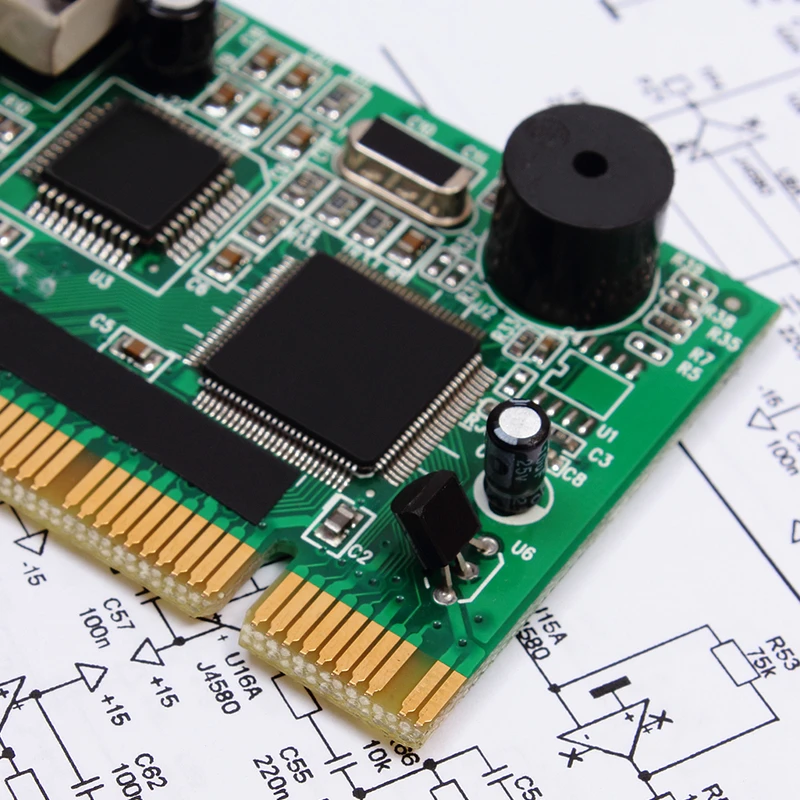
Reducing PCB design costs is critical for large-scale projects aiming to maximize efficiency and profitability. PCB design costs can represent a significant portion of product development budgets, especially when scaling up production. By leveraging best practices and strategic decisions early in the design process, companies can reduce these costs without compromising quality. This guide delves into actionable steps and considerations to minimize expenses associated with PCB design.
Understanding PCB Design Costs
- Materials and Components: The choice of materials directly impacts costs. Opt for industry-standard materials that balance quality with affordability.
- Design Complexity: More complex designs increase time and labor costs. Simplifying designs where possible can lead to significant savings.
- Prototyping Costs: Prototype iterations can be costly. Limit the number of revisions by thorough initial planning and component selection.
1. Optimize Design for Manufacturability (DFM)
- Involve Manufacturers Early: Collaborate with PCB manufacturers during the design phase to identify potential issues before they arise.
- Design for Assembly (DFA): Simplify assembly processes to reduce labor costs and minimize the chance of errors.
2. Leverage Design Software Tools
- Use Advanced PCB Design Software: Invest in software that offers features for automated design rule checks, reducing the likelihood of costly errors.
- Utilize Libraries and Templates: Make use of existing libraries and templates to streamline the design process and cut down on time.
3. Implement Efficient Prototyping Strategies
- Rapid Prototyping: Use rapid prototyping techniques to create quick and cost-effective physical models of your PCB design for testing.
- Hybrid Prototypes: Combine traditional and digital prototypes to investigate more complex aspects without incurring high costs.
4. Bulk Purchasing of Components
- Negotiate Bulk Rates: Build relationships with suppliers to obtain lower prices on high-volume components.
- Standardized Components: Using off-the-shelf, standardized components can reduce costs and lead times significantly.
5. Continuous Design Iteration
- Set Clear Prototyping Goals: Define objectives for each iteration to avoid unnecessary revisions and costs.
- Feedback Loops: Establish mechanisms for gathering feedback on prototypes to refine designs quickly and efficiently.
6. Document Everything
- Maintain Comprehensive Records: Keep detailed notes on all design changes, supplier communications, and cost breakdowns to identify patterns and areas for improvement.
- Review Past Projects: Analyze the successes and failures of previous designs to inform future projects and avoid repeating mistakes.
Additional Considerations for PCB Cost Reduction
- Consider Outsourcing: Evaluate whether outsourcing specific design or manufacturing tasks to specialists could lower overall costs.
- Standardization Across Projects: Use similar designs and components across different projects to streamline efforts and reduce costs.
- Invest in Quality Control: Ensure robust quality control processes are in place to prevent costly recalls and revisions after production.
By following these steps and implementing a strategic approach to PCB design, you can effectively minimize costs for large-scale projects, ensuring more resources can be allocated to innovation and market growth. For more information on efficient PCB production, you can visit SENTAK.